

Production Chemicals
We are committed to extending equipment lifecycles, optimizing production processes, and reducing costs through our tailored solutions. Pars Lian develops and formulates products specifically to suit the customer requirements and their critical applications. This customization is complemented by our dedicated field service team, ensuring that every solution is effective and supported by continuous research and development. We call this approach "tailor-made solutions," underscoring our commitment to delivering precise and impactful support for our clients in the petroleum industry.
Asset Integrity
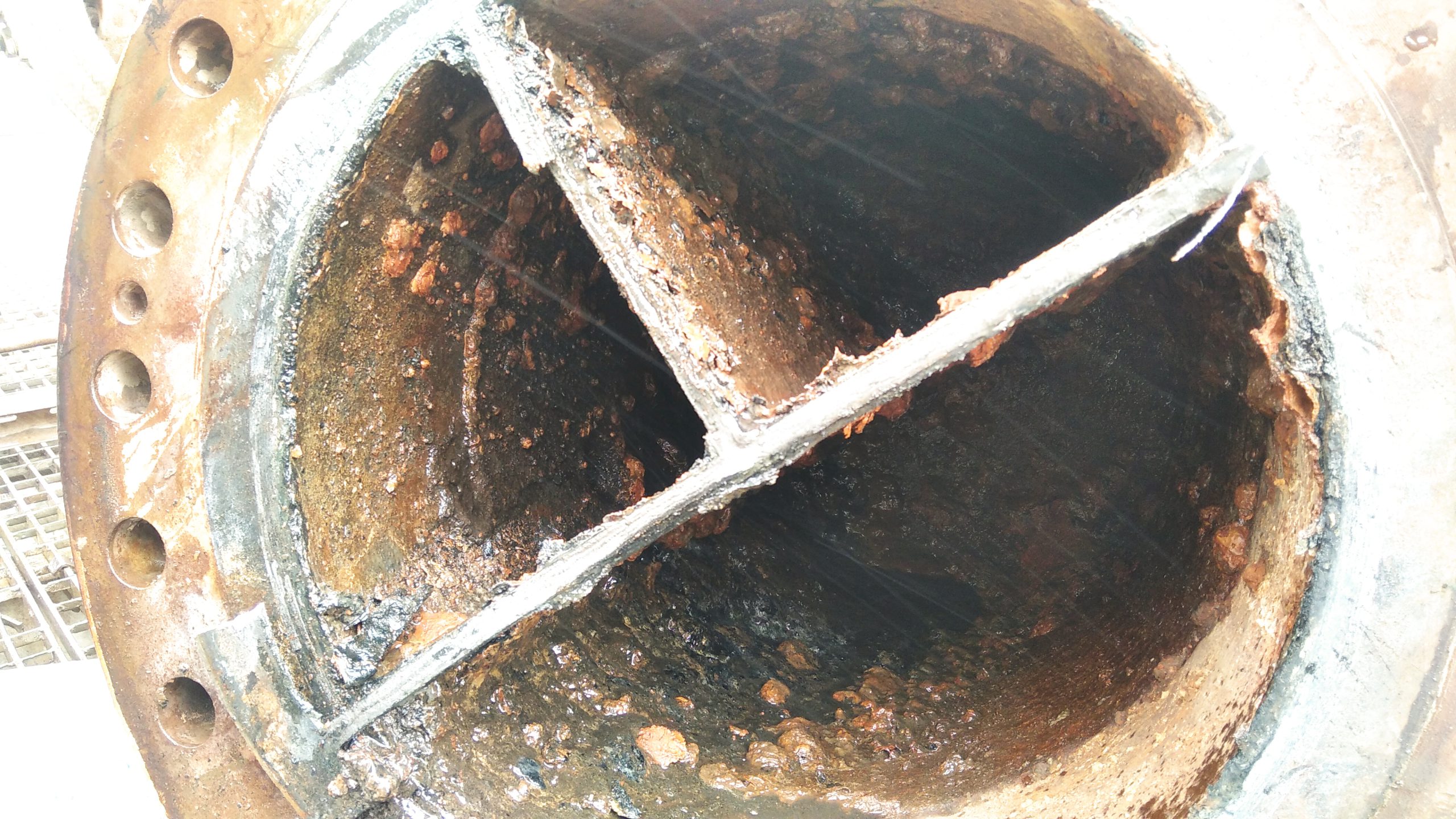
Corrosion Inhibitor
Pars Lian has developed a wide range of products specifically designed to address oilfield corrosion.
Read More
In many oil and gas assets, especially when carbon steel is used, the primary corrosion control strategy for internal corrosion is the use of specialty chemicals such as corrosion inhibitors, oxygen and acid gas scavengers, and biocides. These chemicals can significantly enhance the lifetime of the asset and dramatically reduce both capital and operational expenditures. Specialty chemicals are not a ‘one-size-fits-all’ solution for all internal pipeline corrosion throughout the life of the asset. The optimum corrosion inhibitor chemistry must be specifically validated for each system of interest under current operating conditions, often through a suite of uniquely engineered laboratory simulations.
Pars Lian Corrosion Inhibitors applications:
1) Continuous Application
These are organic inhibitors and mostly surface active. They can be injected upstream or downstream and generally designed to protect the pipeline tubing and production equipment.
Continuous injection of minimum concentration will help to protect the system from corrosion. They can be oil soluble or water soluble and can be applied for gas, oil and water phase systems.
2) Batch Application
Pars Lina's batch treatment corrosion inhibitors are organic film forming corrosion inhibitors specifically designed for batch treatment of oil and gas production systems as well as transport pipelines. Our batch treatment products are effective against sweet and sour production.
3) Top of Line Corrosion Control
This type of corrosion occurs in the wet gas pipelines when there is a temperature difference exposure and also when the flow regime is a wavy stratified flow.
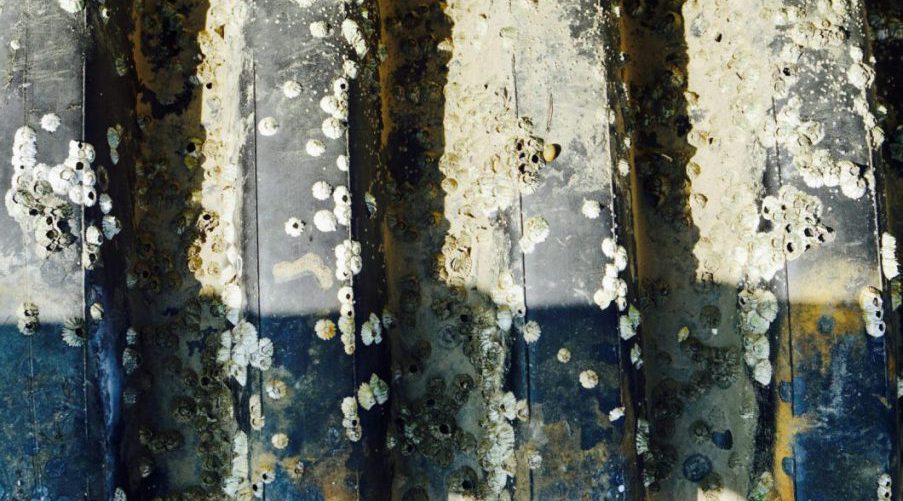
Scale Inhibitor
The main objective of scale management for any hydrocarbon-producing field is minimizing the cost that scale could bring to that operation.
Read More
This cost would include deferred oil costs associated with scale related restrictions and its removal, the chemical, mechanical and manpower costs associated with treating to prevent and remove scale formation, health, safety and environment (HSE) costs, discharges of scale control chemicals to the environment, and the maintenance of low levels of oil contained within the overboard water stream. Assessment of the produced water composition would be used to assess the saturation index for likely scale types and the potential mass required to be inhibited. An assessment of possible changes in the brine analysis would be made on an asset by asset basis.
The scale species normally encountered in oil and gas production systems are:
Common Scales Less Common Scales
- CaCO₃ (calcite)
- BaSO₄ (barite)
- 2H₂O (gypsum)
- FeCO₃ (siderite)
- FeS (several forms)
- NaCl (salt, halite)
- CaSO₄ (anhydrite)

Biocide
Bacterial contamination in oil and gas production systems presents significant challenges, often arising from drilling, reinjection of produced waters, and other processes.
Read More
Once established, these bacteria can be difficult to eliminate microbial-induced biofilm and corrosion. Our approach involves assessing bacterial presence through fluid sampling and analysis, allowing for targeted solutions. By implementing tailored mitigation programs, Pars Lian's Biocides help reduce production problems and help safeguard equipment, resulting in lower operational costs, reduced H₂S generation, cleaner production, and improved efficiency.
Pars Lian provides a range of specialty chemicals designed to control a broad spectrum of anaerobic and aerobic bacteria, particularly sulfate-reducing bacteria (SRB) for water injection produced-water, and cooling-water systems. These products are effective both by their microbiocidal activity and by chemically modifying the environment to prevent harmful bacterial activity.
Bacterial contamination in oil and gas production systems presents significant challenges, often arising from drilling, reinjection of produced waters, and other processes. Once established, these bacteria can be difficult to eliminate microbial-induced biofilm and corrosion.
Our approach involves assessing bacterial presence through fluid sampling and analysis, allowing for targeted solutions. By implementing tailored mitigation programs, Pars Lian's Biocides help reduce production problems and help safeguard equipment, resulting in lower operational costs, reduced H₂S generation, cleaner production, and improved efficiency.
Typical oilfield applications include water injection systems, process systems, fuel systems and stagnant water masses.
H₂S Scavenger
Hydrogen Sulfide (H₂S) poses a significant challenge in oil and gas production systems, either occurring naturally in reservoirs or produced by sulfate-reducing bacteria (SRB). s reacts with iron, forming iron sulfide (FeS), which can lead to pipe damage, leaks, and operational issues such as scale formation, plugging, and increased operational costs. Untreated s can also cause production rejections if levels exceed export specifications. Our cost-effective approach ensures effective management of sulfides, preventing them from negatively impacting production operations.
