

Water Treatment Chemical
Pars Lian provides industrial facilities with advanced cooling water treatment solutions designed to meet specific operational needs and maximize production output. Our innovative treatments help prevent corrosion, scale buildup, and microbial growth, ensuring optimal cooling system performance and reducing maintenance costs.
Boiler Chemicals
The main goals in boiler treatment are to achieve efficient heat transfer, minimize energy consumption, produce pure steam, and ensure safe and reliable operation.
If left unchecked, scale formation and corrosion in steam-raising plants can lead to serious issues. These problems can result in decreased efficiency, a shorter lifespan of the equipment, and, in extreme cases, catastrophic failure. Additionally, it is essential to prevent boiler water carryover, where water and its dissolved solids are transported into the steam, along with sludge deposition and foaming.
To ensure optimal performance, treatment of boiler water is employed. An effective boiler treatment program involves adding chemicals to the feed water, boiler water, and steam to enhance desirable properties or to react with any residual undesirable constituents. Commonly used chemicals include oxygen scavengers, sludge conditioner, condensate line corrosion inhibitors and antifoams.
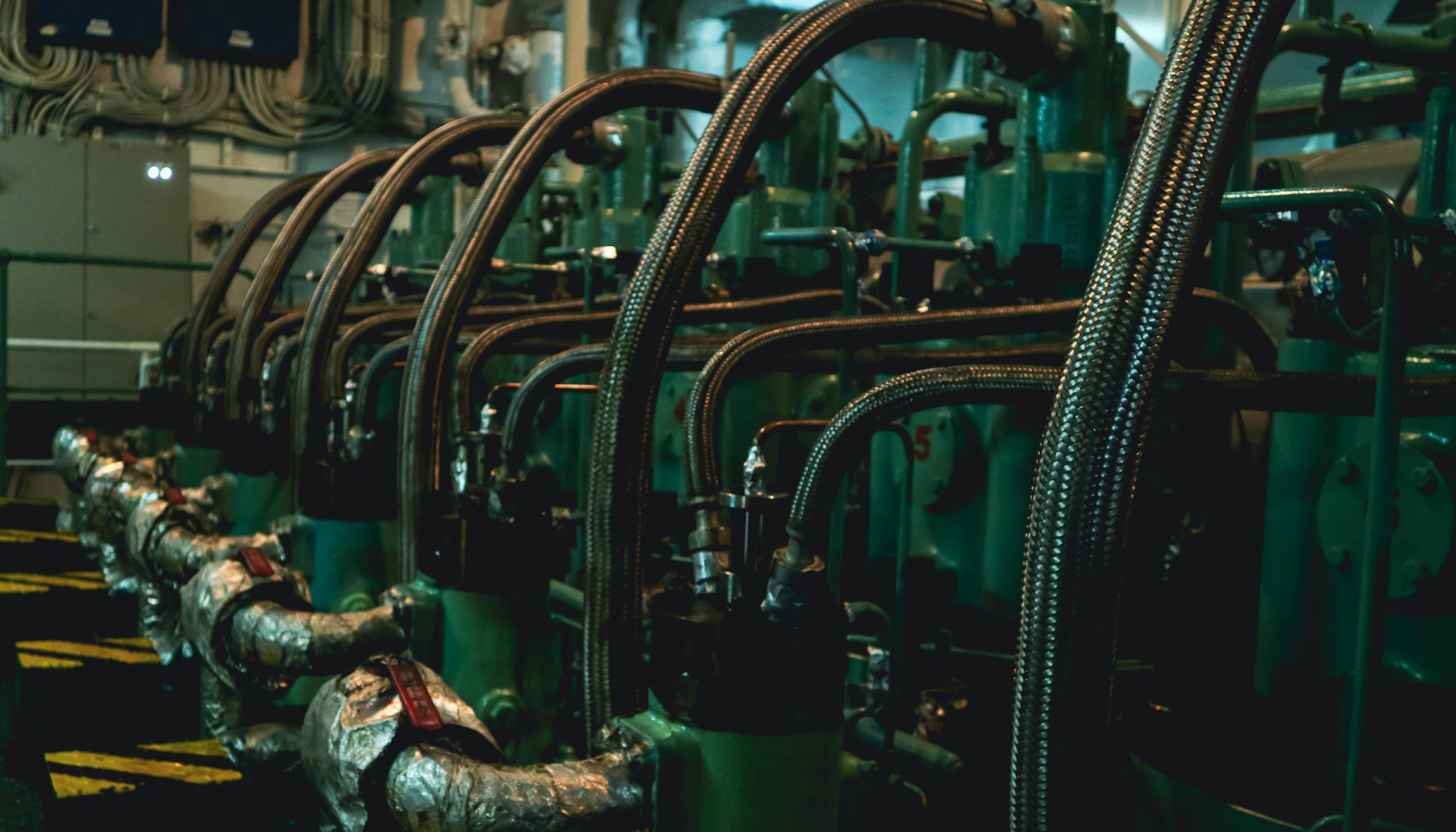
Traditional Chemical treatment
This treatment includes several separate chemicals:
- Sludge Conditioner
- Oxygen Scavenger
- Condensate line corrosion inhibitor
Read More
This treatment includes several separate chemicals:
Sludge Conditioner
Scale forms when insoluble calcium and magnesium salts accumulate, creating a rock-like coating on the interior of boiler tubes. To combat this, a conditioner is needed to react with any residual hardness in the incoming feed water and prevent the precipitation of scale onto the boiler surfaces. Common treatments include phosphates, polymers, and chelants.
Sludge conditioners, which are typically organic polymers, play a important role in preventing suspended solids from adhering to heat transfer surfaces. These polymers bond with precipitates, and the resulting electrical charges on the particle surfaces allow them to disperse, making it easier to remove them through blow-down.
Oxygen scavenger
A significant factor contributing to corrosion in boilers is dissolved oxygen, especially when combined with low pH (low alkalinity). However, excessive alkalinity can also play a role in corrosion. To address this issue, chemical oxygen scavengers are employed to remove oxygen from the feed water. Below are the main types of oxygen scavengers:
- Sodium sulfite
- DEHA
- Carbohydrazide
Condensate line corrosion inhibitor
Corrosion can also occur in condensate return lines, primarily due to the presence of oxygen in the steam or carbon dioxide, which results in the formation of carbonic acid. While oxygen should ideally be removed through deaerator, any remaining oxygen can be eliminated using oxygen scavengers.
To manage carbon dioxide corrosion, pre-treatment techniques may be employed, along with the addition of steam-volatile neutralizing amines. Neutralizing amines go into the condensate lines with the steam, effectively neutralizing the carbonic acid and raising the pH.
Polyamine Treatment
Our product range includes FFA (Film Forming Amine) formulations specifically designed for use in steam boilers. These multifunctional, volatile organic inhibitors contain neutralizing amines and polymer dispersants, making them extremely effective as all-in-one boiler treatments.
Read More
FFA treatment programs replace conventional boiler treatments that typically require 3 or 4 different chemicals. They are designed to provide protection against metallic corrosion throughout the boiler system, including the feedwater, boiler, and steam condensate surfaces. The strong surface affinity of FFAs can gradually remove attached substances, such as calcium scale or loosely adhering magnetite.
Because polyamines are volatile, they produce a strong, microscopic, hydrophobic film on all metallic surfaces throughout the entire system. This film serves to prevent dissolved oxygen, carbonic acid, and other potentially corrosive anions, such as chloride and sulfate, from contacting and attacking the metal surfaces, while simultaneously enhancing heat transfer efficiency.
The dosing of FFAs is typically adjusted to ensure that a small amount of film-forming amine can be detected in the condensate, feed water, and boiler water. In most cases, the smallest reliably detectable amount of amine is sufficient, which can often be quantified at concentrations as low as 0.5 ppm.
Mode of Action of Polyamines in Steam Boiler Treatment:
- pH Adjustment:Neutralizing amines are used to adjust the pH in the feedwater, boiler water, and steam/condensate system.
- Complete System Protection:Film-forming amines create a protective layer throughout the entire system, including the feedwater tank, feedwater line, boiler water, and steam/condensate system.
- Scale Dispersion:Polymers in the feedwater and boiler water work to disperse scale-forming salts effectively.
